



French Door Technicians
Add a review FollowOverview
-
Founded Date June 19, 2001
-
Sectors dfgdf
-
Posted Jobs 0
-
Viewed 73
Company Description
The 10 Scariest Things About Steel French Door Repairs
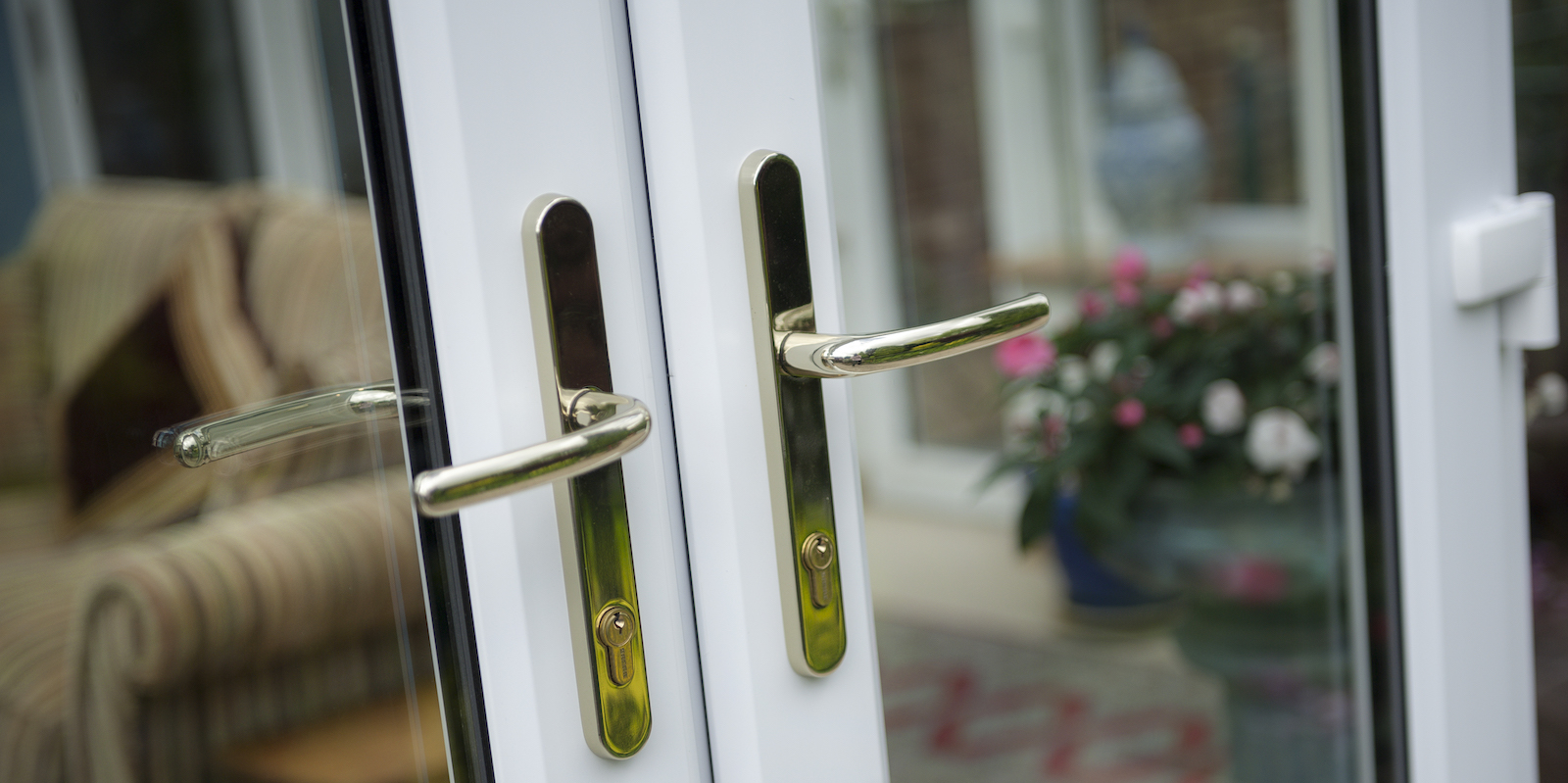
Steel French Door Repairs: A Comprehensive Guide
Steel French Door Renovation doors are a popular choice for homeowners looking for to improve their living spaces with sophistication and performance. These doors are not only visually pleasing but also use resilience and security that other materials might lack. However, like any other feature in a home, steel French doors can experience wear and tear with time, demanding repairs. This guide will cover the common types of damage these doors can sustain, approaches for repair, and tips for maintenance to extend their life-span.
Comprehending the Components of Steel French Doors
Before diving into repairs, it’s vital to comprehend the primary components of steel French doors. Familiarity with these parts will help pinpoint issues:
| Component | Description |
|---|---|
| Door Frame | The structural framework supporting the door. |
| Door Panels | The actual door sections that supply the design. |
| Hinges | Metal fittings that allow the door to swing open. |
| Locks and Handles | Systems for protecting the door. |
| Weatherstripping | Product that helps seal the door from the components. |
Common Problems with Steel French Doors
Steel French doors can face various issues over time that might require repair. Some of the most common issues consist of:
- Dents and Scratches: Due to furniture bumps, kids playing, or external aspects.
- Rust and Corrosion: Exposure to wetness can trigger rust, especially at joints or areas with scratches.
- Misalignment: Over time, doors can sag or end up being misaligned, making it difficult to open or close them.
- Faulty Weatherstripping: Damaged seals can cause drafts, water seepage, and energy loss.
- Broken Locks or Handles: Dysfunctional mechanisms can compromise security.
Repairing Damaged Steel French Doors
1. Dents and Scratches
Products Needed:
- Steel putty or body filler
- Sandpaper (grit levels 120 and 220)
- Primer and paint matching the door color
Actions:
- Clean the damaged location with soap and water to ensure no particles remains.
- Apply steel putty to the damage or deep scratch, allowing it to cure based on the manufacturer’s instructions.
- As soon as cured, sand the area with 120-grit sandpaper till smooth.
- Follow with 220-grit sandpaper for finer smoothness.
- Prime and paint the location to match the door.
2. Rust and Corrosion
Materials Needed:
- Rust eliminator
- Guide
- Paint
- Steel wool or a wire brush
Steps:
- Identify all rusted areas and tidy them using a wire brush or steel wool.
- Apply rust remover and follow the item directions.
- As soon as dry, use a rust-inhibiting primer.
- Paint the affected locations to match the remainder of the door.
3. Misalignment
Materials Needed:
- Screwdriver
- Shims (if necessary)
Steps:
- Check if the door is level when closed; if not, evaluate the hinges.
- Utilizing a screwdriver, tighten up loose screws in the hinges.
- If additional adjustment is needed, utilize shims to straighten the door within the frame.
4. Faulty Weatherstripping
Materials Needed:
- Replacement weatherstripping
- Energy knife
- Scissors
Steps:
- Remove the damaged weatherstripping by pulling it off gently.
- Tidy the location where the brand-new weatherstripping will be used.
- Step and cut the replacement product to fit the door edges.
- Press the new weatherstripping strongly into location.
5. Broken Locks or Handles
Products Needed:
- New lock or deal with
- Screwdriver
- Lubricant (optional)
Steps:
- Remove the malfunctioning lock or handle by unscrewing it from the door.
- Set up the brand-new lock or handle by following the manufacturer’s guidelines.
- Lubricate moving parts if necessary to ensure smooth operation.
Maintenance Tips for Steel French Doors
To prolong the life of steel French Door Repair Quotes door repairs (K12.instructure.com) French Door Professional doors, follow these maintenance tips:
- Regular Inspection: Periodically examine for dents, scratches, rust, and general functionality.
- Trigger Repairs: Address any issues as soon as they occur to prevent additional damage.
- Tidy Regularly: Use moderate soap and water to clean up the surface area and prevent rust.
- Repaint as Necessary: Regularly repaint to secure against rust and keep aesthetics.
- Keep Moving Parts Lubricated: Ensure hinges and locks function correctly by using lubricant regularly.
Frequently Asked Questions (FAQs)
Q1: How typically should I check my steel French doors for damage?
It’s recommended to perform a thorough inspection every 6 months and after extreme weather conditions.
Q2: Can I repair a large dent on my steel French door myself?
Yes, minor to medium damage repairs can generally be handled by a property owner with fundamental home enhancement skills. For significant damage, consider working with a professional.
Q3: Is rust typical for steel French doors?
Rust can occur, particularly in damp environments. Routine maintenance and prompt repair can alleviate rust development.
Q4: What kind of paint is best for steel French doors?
Look for exterior-grade paint that is particularly formulated for metal surface areas for ideal security versus weather conditions.
Q5: How can I prevent my steel French doors from misaligning?
Ensure that door frames are set up properly and carry out routine maintenance checks to tighten hardware and address issues immediately.
Steel French Door Handles doors are a stylish and resilient addition to any home. While they can deal with different issues in time, most issues can be resolved through easy repairs and regular maintenance. By understanding how to deal with common damage and through alert maintenance, property owners can significantly extend the lifespan of their steel French doors. Whether attending to minor dents or replacing weatherstripping, proactive care will guarantee that these lovely doors continue to enhance homes for years to come.